What to check before choosing patio lounge furniture for a backyard
Comfortable backyard seating is rarely the result of one good purchase. It comes from matching chairs, lounges, tables and shade to the way an outdoor space is actually used. A seat that looks inviting can still feel awkward if it sits in full sun, lacks support or leaves no room for a drink. Before choosing patio lounge furniture, look at the whole setting and the small details that affect daily comfort.
Start with the way the space is used
Think about the main purpose of the area first. A quiet reading corner needs a different setup from a space used for long lunches or casual evenings with friends. Chaise lounges suit slow afternoons, while dining chairs and tables support meals. A garden bench can make good use of a narrow edge or a path junction, and an Adirondack chair can give a porch or fire area a relaxed fixed point.
Leave enough open ground for people to move without squeezing past furniture. Comfort is not only about cushioning. It also depends on elbow room, clear walking lines and having somewhere to set down a cup, book or plate. If the area is small, fewer larger pieces often feel better than many compact ones crowded together.
Check the main comfort points
- Seat depth: A deep seat can feel relaxing, but it may make shorter users reach for the backrest. A shallower seat often suits dining and conversation.
- Back angle: Upright backs help people sit upright at a table. Reclined backs suit lounging, but they need more space behind the chair.
- Arm height: Arms should let shoulders drop without forcing the body forward. Very low arms can make it hard to stand up.
- Support: Check whether the frame holds the seat evenly and whether cushions stay in place when someone shifts position.
- Surface feel: Resin furniture can be shaped for smooth edges and supportive contours, but texture still matters, especially where skin touches arms or seats.
These points matter because outdoor comfort tends to be noticed over time. A chair may feel fine for a few minutes and become tiring during a long meal. A lounge may look generous but leave the lower back unsupported. If possible, compare how different pieces encourage the body to sit rather than focusing only on size or style.
Plan around sun, shade and exposure
Shade placement has a direct effect on comfort. Even attractive seating becomes unwelcome when it bakes in afternoon sun. Look at how light moves across the yard during the day and place softer seating where there is relief at the busiest times. An umbrella, pergola, tree cover or nearby structure can change which furniture works best.
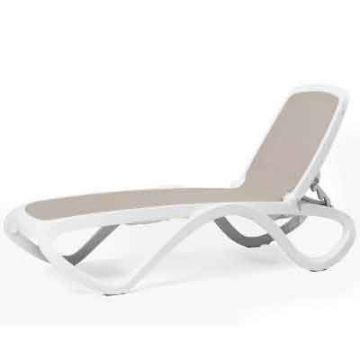
Wind is another quiet comfort factor. Lightweight pieces can shift on exposed patios, while tall backs may catch gusts. Open layouts can feel pleasant on still days and harsh when air funnels between buildings. In garden seating meant for longer stays, a little shelter often matters more than an extra cushion.
Rain exposure also deserves attention. Some designs shed water easily, while flat surfaces, joints and fabric edges can hold moisture. Resin outdoor furniture is often chosen for its practicality outdoors, yet the layout still matters. Leave space for air to move and for water to dry after rain.
Match pieces to the activity
A comfortable backyard often has zones rather than one uniform arrangement. A dining set works best with chairs that allow easy movement in and out. A lounge area can include chaise lounges, an ottoman and a side table within easy reach. A porch swing or rocking chair can suit a slower corner where the view matters more than conversation.
When mixing pieces, keep proportions in mind. Low lounges beside tall dining chairs can feel visually unsettled and physically awkward. Repeated materials help a space feel settled, even when shapes differ. Resin pieces can work across lounges, chairs, benches and tables, which makes it easier to build a coherent arrangement without every item matching exactly.
Think about reach as well. A side table should sit close enough to use without leaning across another seat. A bench along a planting edge should have enough clearance for feet and knees. A lounge near a pool or lawn should not block the route people use most often.
Look closely at materials and build
Resin furniture is commonly used outdoors because it can handle regular exposure better than many indoor materials. The value still depends on construction. Look for consistent edges, stable legs, even finishes and sensible weight. A piece that feels flimsy may move whenever someone sits down, which undermines comfort even if the shape is good.
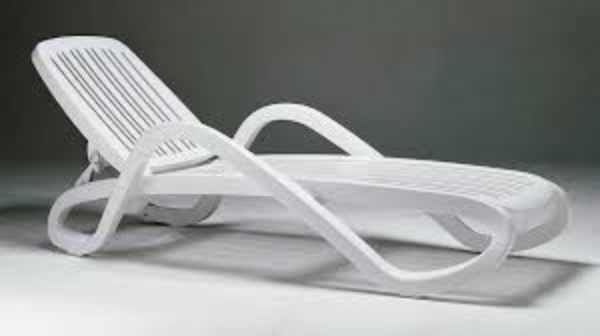
Check how parts connect. Repeated movement can loosen weak joints, especially on chairs used for dining. Stackable or movable pieces need to feel secure when placed, not just easy to carry. Where cushions are used, check that covers can be removed for cleaning and that seams are not placed where they press into the body.
Surface maintenance also affects long term comfort. Dust, pollen and grime can make smooth furniture feel unpleasant. Choosing shapes with fewer trapped corners can make routine wiping simpler. If a piece has slats, openings or textured areas, consider how easily debris will collect there.
Test the layout before committing
Before settling on a final arrangement, sketch the space roughly and mark the main routes through it. Place seating where people naturally pause, not only where there is empty ground. Keep conversational seats close enough for normal voices, but not so close that knees collide. Allow a clearer path to gates, doors, steps and gathering points.
Garden seating should also feel comfortable when the space is full, not just when two people use it. Count how many seats can be occupied without someone standing to let another person pass. Notice whether one chair becomes the preferred spot because it has the best shade, the softest angle or the clearest view. That can be a clue about where extra comfort is worth adding.
For layered spaces, combine a few primary seats with flexible pieces. Dining chairs can serve extra guests, an ottoman can become a temporary seat, and a bench can absorb overflow without crowding the main lounge area. This approach keeps the yard useful without turning it into a showroom.
Finish with small comfort details
Once the larger decisions are settled, the finishing touches often decide whether the space feels welcoming. Outdoor cushions can soften a firm seat, but they should not hide poor support. A small table keeps essentials nearby. A low stool or ottoman gives feet a place to rest. Soft lighting can extend use into the evening without making the area feel harsh.
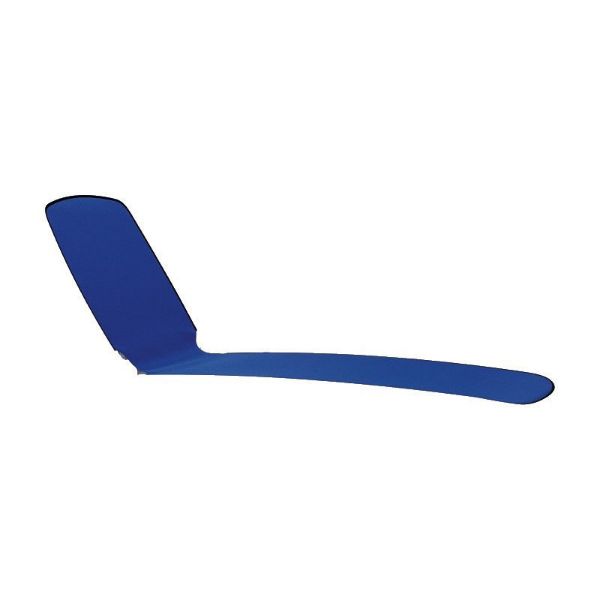
Keep the final setup simple enough to maintain. Comfort fades when too many accessories need moving before the space can be used. The best arrangement lets someone step outside, sit down and feel at ease without adjusting a row of cushions or shifting furniture into place.
A thoughtful selection of patio lounge furniture balances body support, practical layout and the conditions of the site. Check how each piece sits, where it sits and what it needs to stay comfortable through regular outdoor use. That wider view leads to a backyard that feels easy to settle into, whether the moment calls for a meal, a rest or a long conversation.